
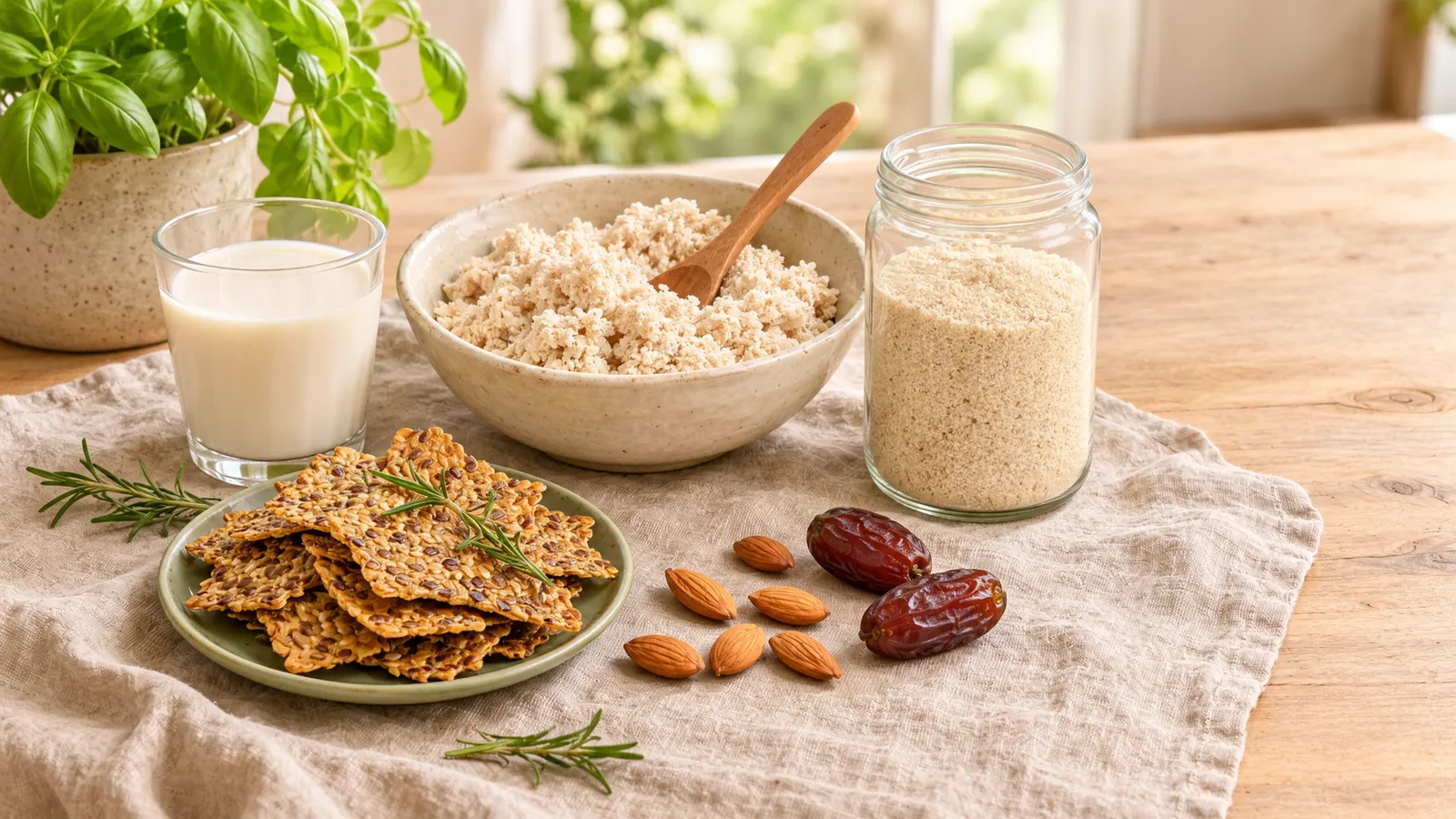
Nut milk pulp is the soft, fine leftover from making nut milk, and it holds most of the nut's fiber. Stir it into oats and smoothies, roll it into
Every batch of homemade milk leaves you a second ingredient: soft pulp in the nut milk bag or the filter basket. The first time, most people are not sure what to do with it. A few batches later, they make milk partly for the pulp.
It is mild, slightly sweet and takes on any flavor you give it. This guide covers the best ways to use it, sweet and savory, how to store it, and which pulp suits which recipe.
What Is Nut Milk Pulp?
Nut milk pulp is the part of the nut that does not pass through the strainer: mostly fiber, along with some protein and a little of the fat. The milk carries the oils and the flavor; the pulp carries the body. That is why using both makes the whole nut count.
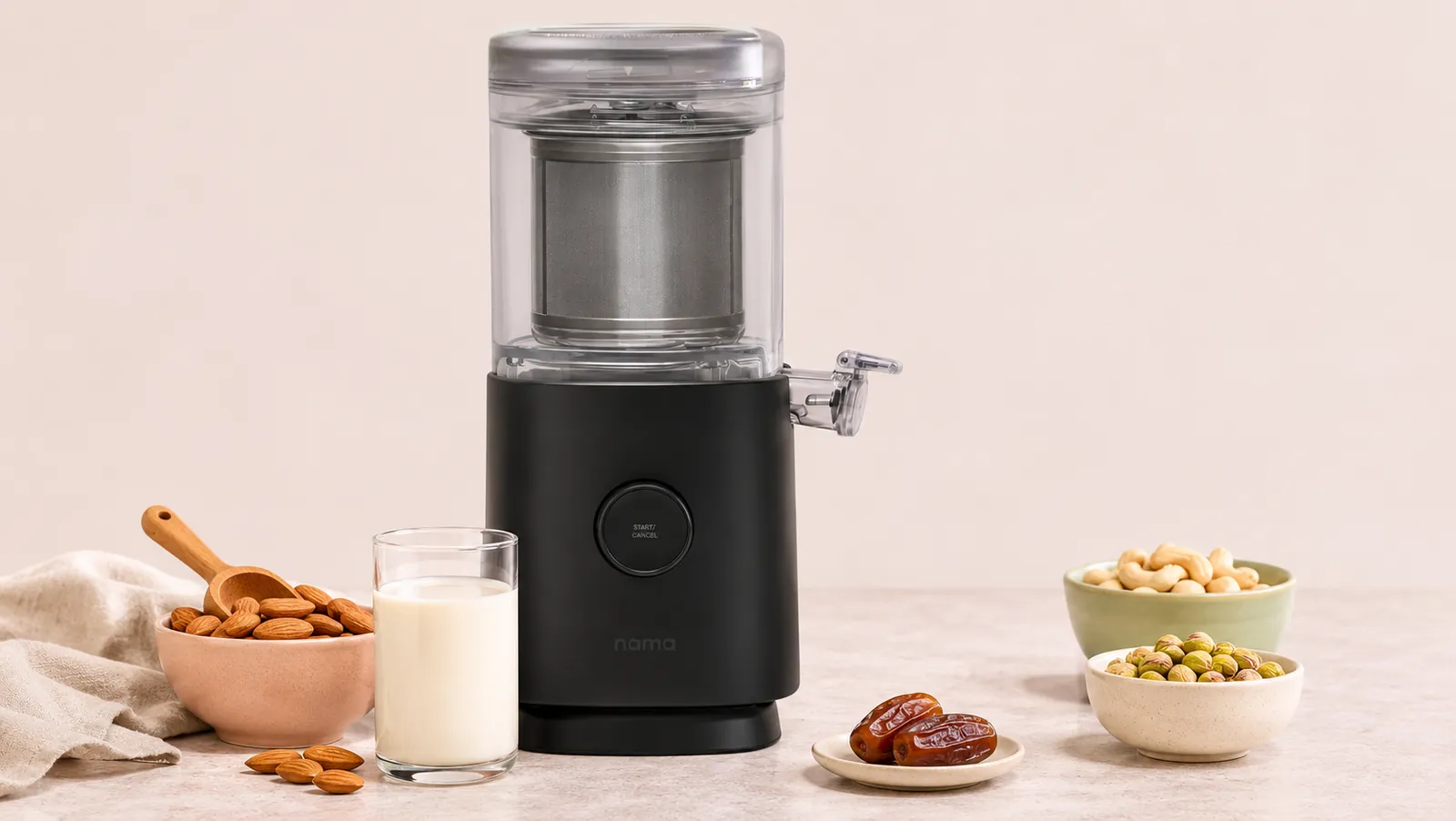
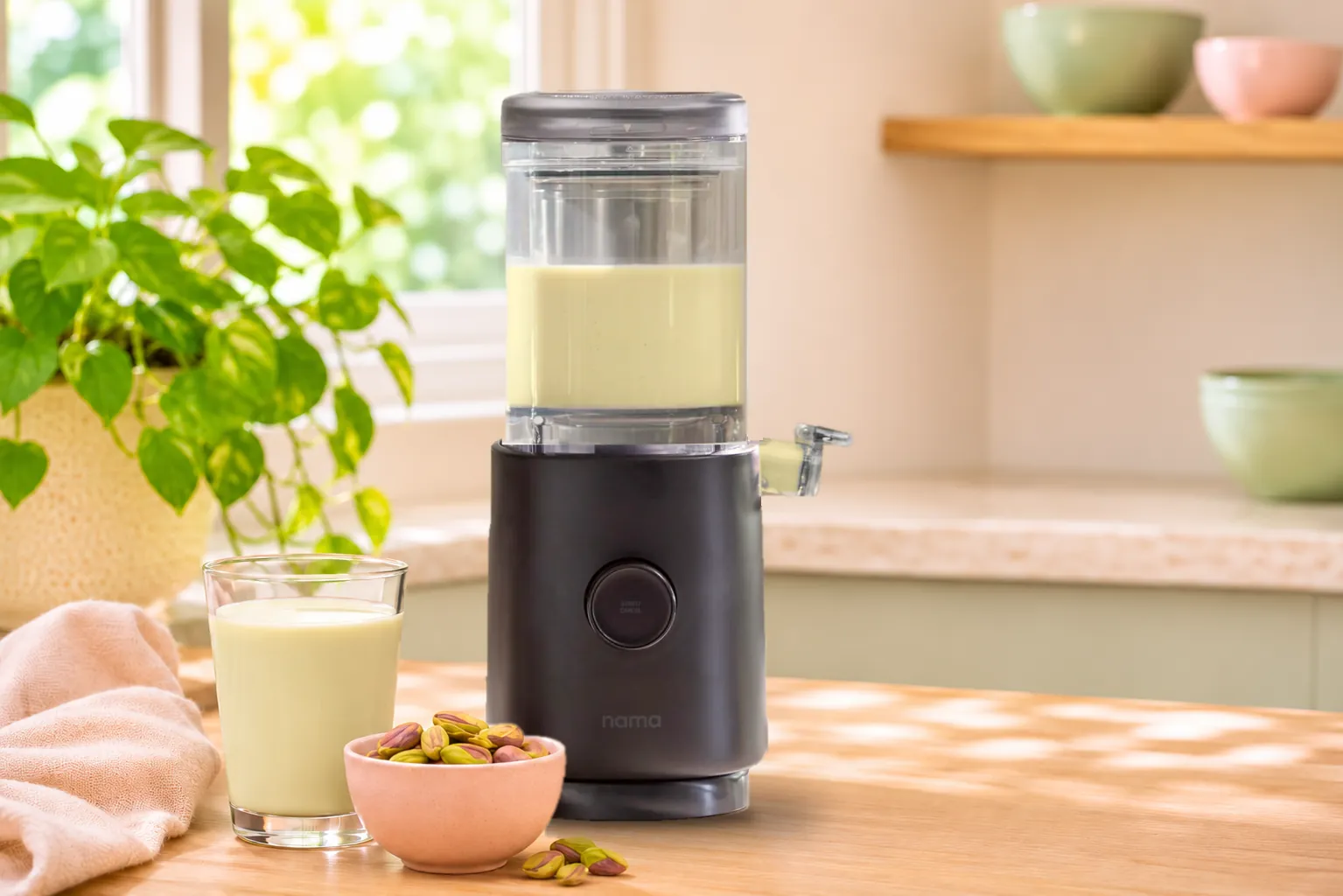
Its texture depends on how you strain. Pulp from a nut milk bag squeezed by hand is fairly damp. In the Nama M1, the spin cycle presses the milk out, so the pulp comes out drier. You lift out the filter basket and blade frame, and rotating the blade frame releases the pulp onto the pulp mat or into a container, ready to use or freeze.
Use discount code PLANTPOWER to save on the
Drier pulp is easier to bake and dry; damper pulp is lovely in bites and dips. Both work. If a recipe feels too wet or too dry, adjust with a spoonful of liquid or a few extra dry ingredients.
1. Roll It Into No-Bake Energy Bites
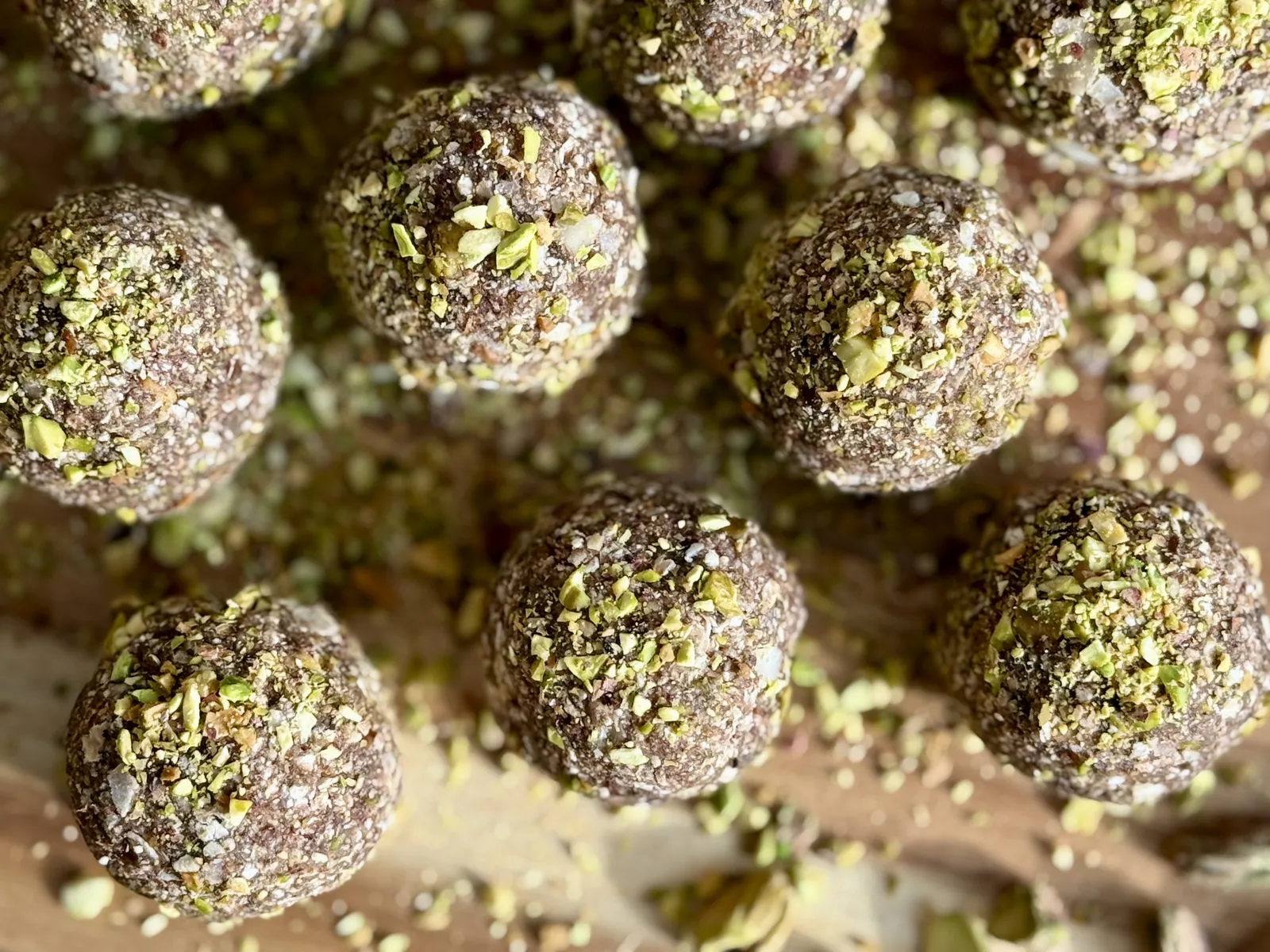
This is the favorite use, and the easiest. Pulp is soft and slightly sticky, so with dates it holds together without any nut butter or oil. A good starting point: ½ cup (about 50 g) of pulp, 6 soft Medjool dates, 2 tablespoons of raw cacao or coconut, and a pinch of salt, blended in a food processor and rolled into balls.
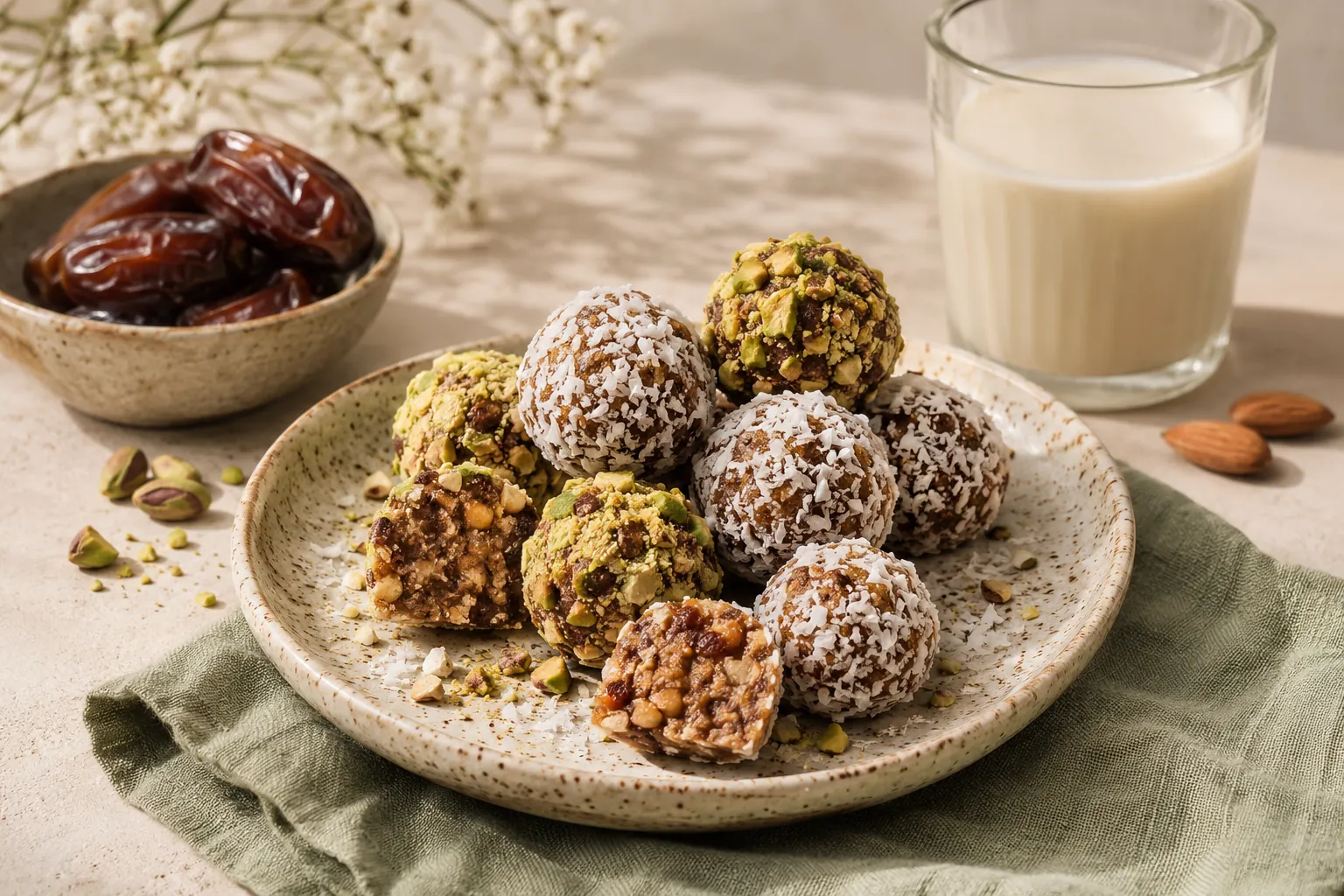
Pistachio pulp makes the most beautiful version, rolled in chopped pistachios. The full recipe, with buckwheat, coconut and lucuma, is in Pistachio Pulp Energy Balls.
Hazelnut pulp with cacao tastes like praline; walnut pulp with cinnamon tastes like a soft spiced cookie.
2. Stir It Into Oats, Chia Pudding and Smoothies
The quickest use needs no recipe. A spoonful or two of fresh pulp stirred into oats, overnight oats or chia pudding adds body and a gentle nuttiness. In smoothies it gives a thicker, more filling glass.
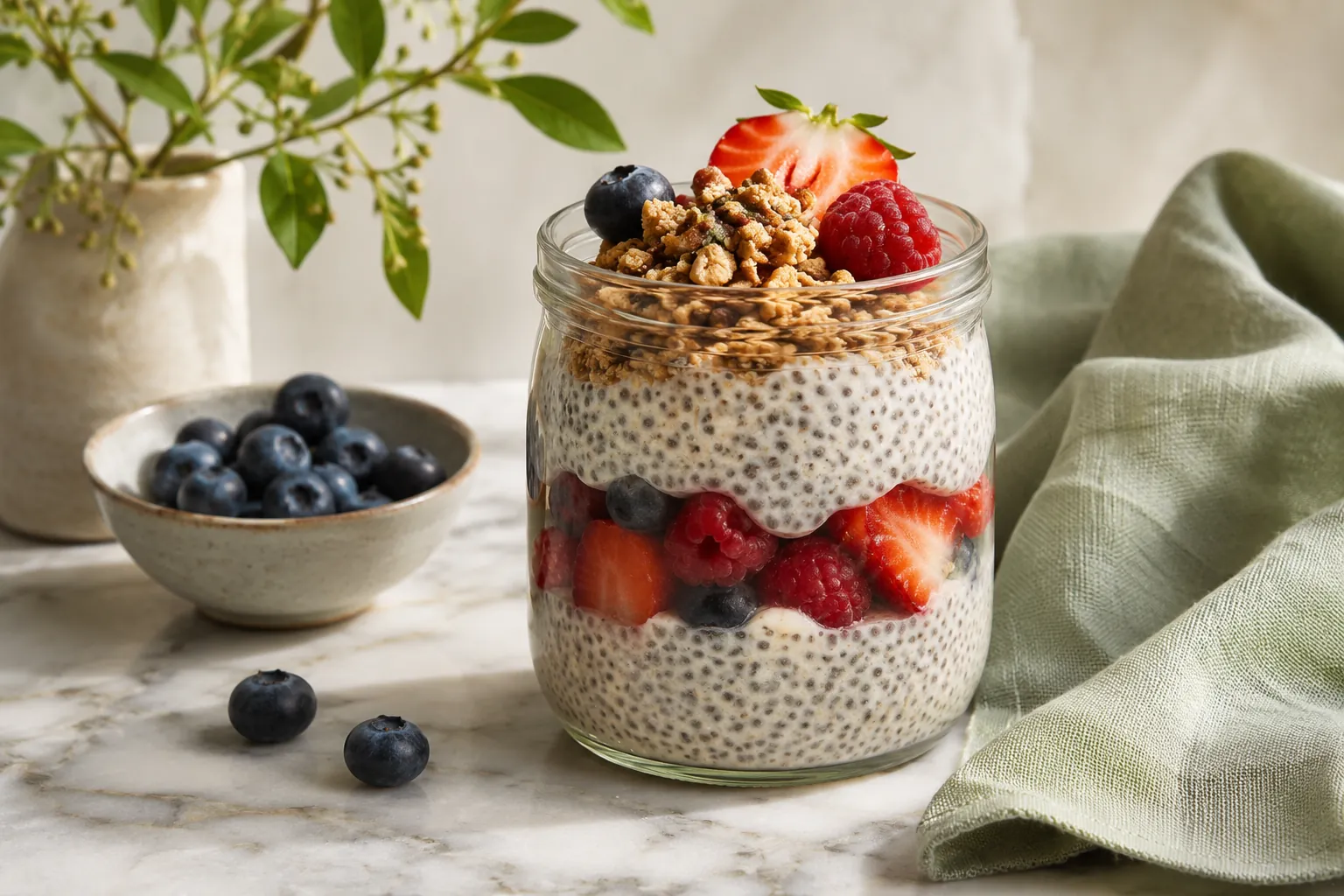
Because pulp carries most of the fiber from the nuts, this is also the simplest way to keep that fiber in your day. Start with a tablespoon and work up, since a whole cup (about 100 g) of pulp at once is a lot of fiber.
3. Press It Into Crackers
Savory crackers are where pulp really surprises people. Mix about 2 cups (about 200 g) of pulp with ½ cup (55 g) of ground flaxseed, a little water, salt, and herbs or spices you love: rosemary, smoked paprika, garlic powder or
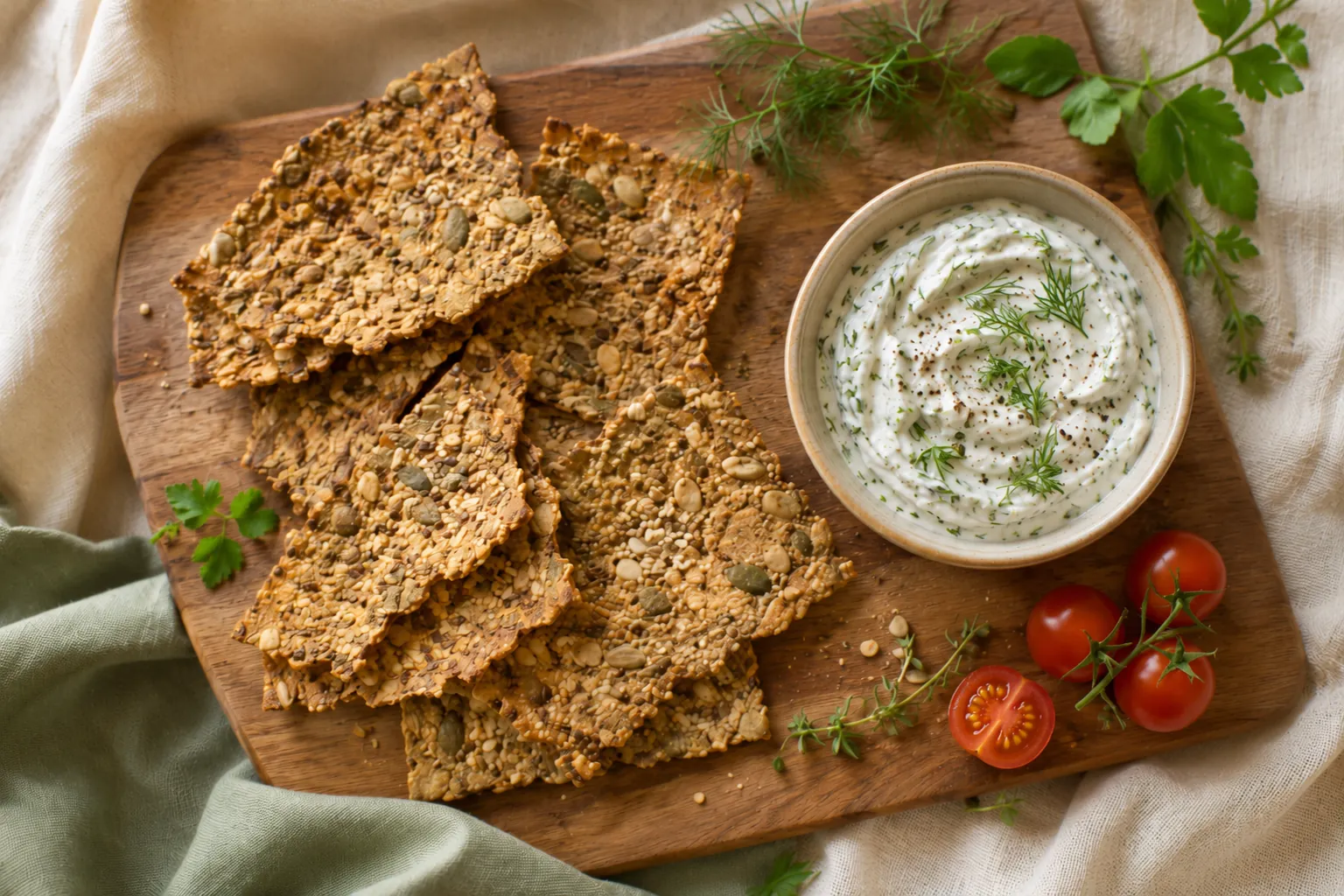
No dehydrator? Use the lowest oven setting with the door propped slightly open, and check often. They will be crisp in a few hours.
4. Dry It Into Nut Flour
Dried and blended, pulp turns into a fine, light flour for raw cookies, crusts and baking.
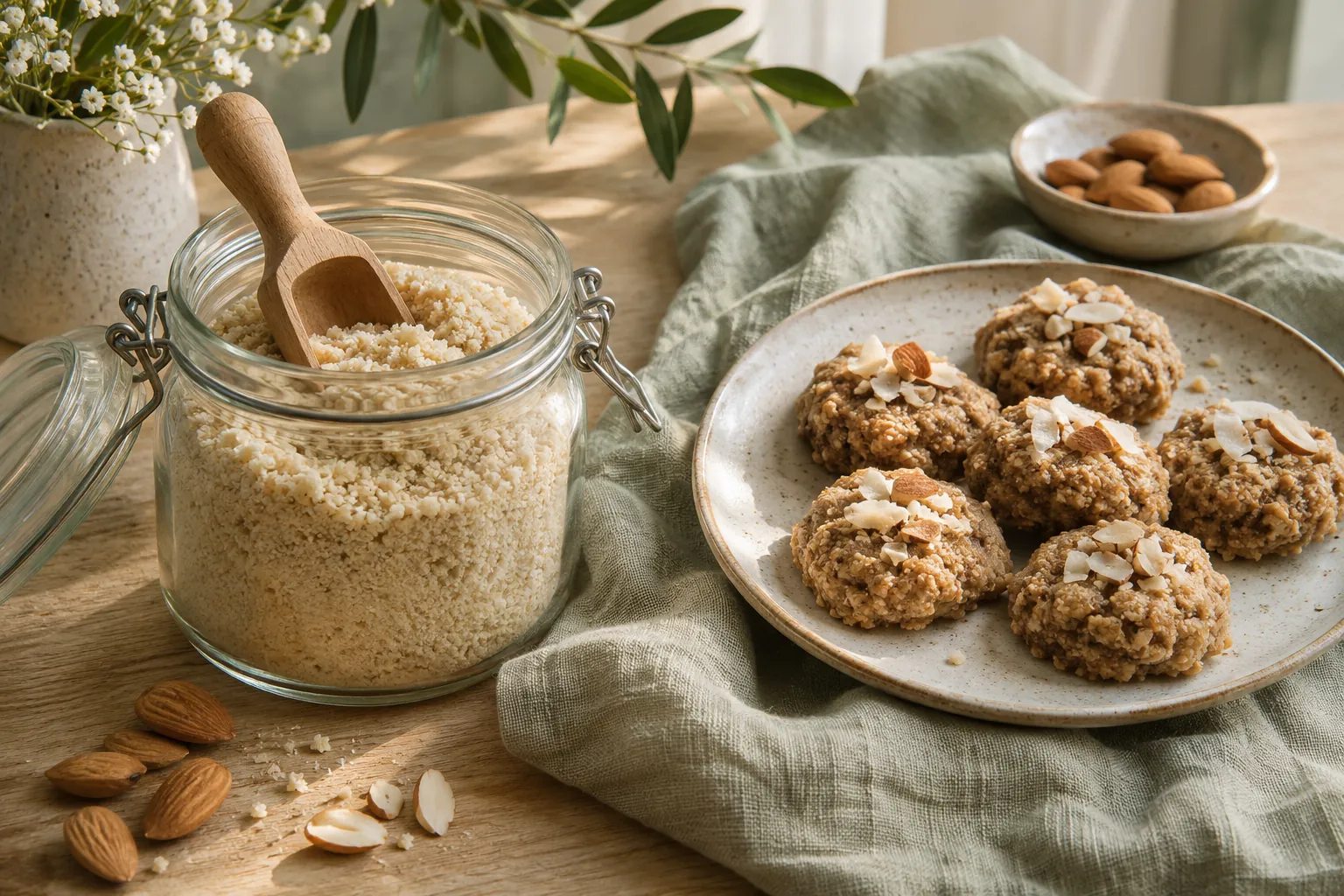
- Spread the pulp thinly on a lined dehydrator sheet or baking tray, breaking up any clumps.
- Dry at 115°F (46°C) for 8 to 12 hours, or in the oven on its lowest setting for 2 to 3 hours, stirring now and then.
- When completely dry and crumbly, blend it into a fine powder.
- Store in an airtight jar in a cool, dark place.
Almond pulp makes the most neutral flour; pistachio and hazelnut flours bring their own flavor and color.
5. Blend It Into Dips and Creamy Fillings
Fresh pulp blended with lemon juice, garlic, herbs and a little water becomes a soft, spreadable dip, somewhere between a hummus and a herbed spread. Cashew and almond pulp work best because they are mild.
On the sweet side, pulp blended with dates and vanilla makes a light filling for raw tarts, or a creamy layer in a parfait with fruit.
6. Add It to Raw Cookies and Bars
Pulp gives raw cookies and bars a tender, almost
7. Collect It in the Freezer
The secret to never wasting pulp is one container in the freezer. Add each batch's pulp to it, label it with the type of nut, and when you have 1 or 2 cups (about 100 to 200 g), make bites, crackers or flour in one go.
Which Pulp Is Best for What?
| Pulp | Flavor | Best for |
|---|---|---|
| Almond | Mild, neutral | Flour, crackers, dips, anything |
| Cashew | Soft, creamy, sweet | Dips, fillings, smoothies |
| Pistachio | Sweet, pale green | Energy bites, cookies |
| Hazelnut | Toasty, | Chocolate bites, bars |
| Walnut | Earthy, rich | Spiced cookies, savory crackers |
| Macadamia and coconut | Buttery, tropical | Raw cookies, crusts |
If your milk had dates and vanilla in it, the pulp will be lightly sweet too, which suits sweet recipes best. For savory crackers, use pulp from unsweetened milk.
How Long Does Nut Milk Pulp Last?
Fresh pulp keeps 2 to 3 days in a sealed container in the fridge, and up to 3 months in the freezer. Dried pulp flour keeps for a couple of months in an airtight jar.
If fresh pulp smells sour or shows any spots, throw it away. Storage tips for the milk itself are in How Long Does Homemade Nut Milk Last?, and the milk recipes that leave the best pulp start in How to Make Nut Milk at Home.
Questions People Ask
Is Nut Milk Pulp Healthy?
Yes. It holds most of the nut's fiber, plus some protein and fat. Adding it back into food is an easy way to keep the whole nut in your diet.
Can You Use Pulp Instead of Almond Flour?
Once dried and blended, yes, in most raw recipes. It is lighter and slightly less rich than
Can You Make Milk Twice From the Same Pulp?
You can, but the second milk is thin and pale. The pulp is far more useful in food.
One batch of milk, a second ingredient waiting in the strainer. Nothing wasted, and something delicious made from it.
Comments
Share your thoughts
A tip, a question or how it went for you: every comment helps the next reader too.
No comments yet. Ask your question or share your thoughts.